
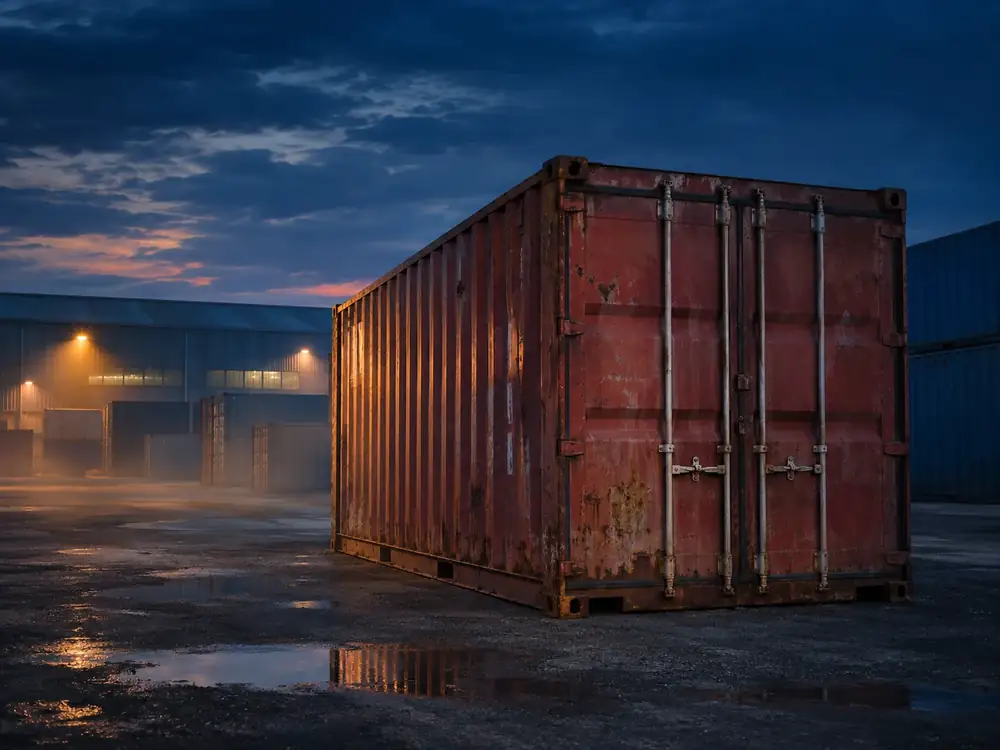
Unclaimed cargo is a term often encountered in imports and exports. It refers to goods left at customs after arrival for reasons such as unpaid charges, an unidentified owner or incomplete procedures. Goods remain in storage for a prescribed period and may subsequently be auctioned or transferred to state ownership if the owner takes no action.
What causes a shipment to become unclaimed, and what should its owner do first? Understanding the reasons and conditions is important, particularly for businesses new to international trade.
What is unclaimed cargo?
Goods may be classified as unclaimed when the owner fails to apply for clearance within the legal period or delays submitting the necessary documents. Missing permits or difficulty identifying the owner can also contribute. Imported goods must pass through clearance; failure to act within the prescribed period can lead to customs disposal procedures.
The original article describes different storage periods according to transport mode and entry conditions. It mentions two months from the first warehouse receipt for air cargo and four months for other entry points. Elsewhere, it cites different periods under Article 24. These source statements are inconsistent; the applicable deadline for a particular shipment must be confirmed with the responsible customs office.
The article also refers to FIATA's description of unclaimed goods as cargo whose consignee or importer shows no intention of collecting it within a reasonable period, or whose importer cannot be identified or contacted. What constitutes a reasonable period varies between countries. Perishable and dangerous goods may be subject to shorter periods.
In some circumstances, the owner may approach customs and request additional time even after the initial period has expired. Recovery and clearance may still be possible depending on the case. Acting promptly is preferable: unclaimed status can make clearance more complicated and add costs.
Storage and clearance deadlines
The time before goods become unclaimed depends on the mode of transport and conditions of entry. In its discussion of Article 24 of Iran's Customs Affairs Law, the original article gives two months for land, air or rail entries and three months for sea entries, and describes an application for an extension of up to two further months.
Because these figures differ from those given earlier in the source article, they should not be used as a shipment-specific deadline without confirmation. Understanding the actual legal period and extension conditions is essential; overlooking a deadline may have serious consequences.
Why imported goods become unclaimed
1. Missing or late documents
Incomplete papers or incorrect information can delay clearance. This can result from unfamiliarity with the required documents or failure to send them. Goods may remain in storage until the legal period expires.
2. Missing order registration or slow approvals
Some goods need permits from competent bodies, including standards or health approvals. If the owner does not apply, or the process takes too long, the goods may remain at customs beyond the permitted period.
3. Cash-flow shortages and unpaid charges
Import duties, customs charges and other clearance expenses can be substantial. If the owner cannot pay on time, the shipment may become unclaimed.
4. Legal restrictions
Import restrictions and new customs requirements can prevent clearance. Sanctions and difficulties transferring funds may also contribute to delays.
5. Buyer–seller disputes or legal problems
Contractual disputes or other legal issues may cause one party to withhold action on clearance, leaving the goods at customs.
How unclaimed goods are sold
Disposal follows an organised process after the legal clearance period has elapsed. The original article describes three possible sales channels: written tenders, public auctions and retail sales.
Written tenders: goods are awarded to the highest bidder through submitted offers. The cargo owner may participate but has no priority over other bidders.
Public auctions: goods are offered through a public competitive bidding process.
Retail sales: some goods, particularly smaller consumer items, may be sold individually in the market.
Stages of disposal
After unclaimed goods are identified, relevant charges, including transport costs and import duties, are accounted for against the goods' value. An owner participating in a sale should not assume preferential rights over other purchasers.
The responsible organisation
In Iran, the Organisation for Collection and Sale of State-Owned Properties is responsible for the sale process for unclaimed and confiscated goods, as described in the original article.
Conclusion
Customs clearance is governed by specific rules, and failure to meet them can have significant consequences. Act within the applicable period and prepare the required records, including the commercial invoice, transport document and certificate of origin.
Consulting customs specialists can help prevent problems that leave cargo unclaimed. If you have limited clearance experience, seek support early rather than waiting for storage periods to expire.
Eurasia's team can review the available shipment information and help coordinate the agreed import and clearance services.